






Investment teams often need to chart the direction of a company's performance before the next earnings release or investment committee meeting. Historic financials can help, but they describe a past period. Getting an up-to-date picture of what customers, distributors, resellers, and other actors in the market ecosystem are experiencing requires nimbler tactics.
That's where channel checks come into play. By asking the people who sit between a company and its end market what they are seeing today, you can get an early read on demand before it shows up in reported numbers. As structured surveys, channel checks produce valuable data you can compare, quantify, and repeat, and, alongside other research, they can help pressure-test assumptions behind an investment thesis.
Channel checks are primary research conducted with customers, distributors, partners, suppliers, or other relevant market participants to understand current market conditions and business momentum.
The right audience depends on the investment question. A question about pricing power points to customers, while a question about sell-through might address distributors. Survey-based channel checks and one-to-one qualitative research answer different parts of the question:
- Surveys quantify patterns across a defined population.
- Expert interviews provide deeper context around what's driving those patterns.
GLG supports both through its financial services research offering and its B2B surveys.
Channel checks test the assumptions a thesis rests on by asking the people whose behavior those assumptions describe.
Take a worked example thesis: a company's growth will accelerate because enterprise adoption is increasing and customers will accept higher prices. That thesis parses into a few assumptions, each of which correlates to a signal that tests it, as well as a question a survey can ask.
Questions are illustrative only. Actual questionnaire wording comes from GLG Research.
Together, these signals can provide a bottom-up view of demand and market momentum that complements company-reported and third-party data, and can inform a demand projection. If a specific event has just put one of these assumptions in doubt, rapid research after a catalyst can test whether it's a significant shift or mere anomaly.
Survey findings should fit into broader investment analysis rather than form a direct prediction of financial performance. The purpose is to uncover evidence that supports, refines, or challenges the assumptions underlying the thesis, not to confirm it.
A channel check is most useful when an addressable group of people has direct experience that can speak to a relevant question. Some common investment questions don't fit that model, in which case other approaches will bear more useful results.
There are three common cases where channel checks definitively don't apply:
- Highly concentrated markets. Where only a handful of buyers exist, there may be no population large enough to survey with statistically meaningful results.
- Questions respondents cannot answer from direct experience. Internal cost structure, unannounced roadmaps, and anything else outside what a customer or distributor would know first-hand.
- Decisions that need direction rather than a reading. One check is a snapshot. To track how these signals change over time, you need to structure measurement across research waves.
GLG supports channel check research by helping you frame the question, reach the right cohort, and bring the evidence together for your workflow:
- Define the question. Translate investment data needs into relevant, industry-aligned metrics and research questions.
- Reach the right participants. Field to specific customer, distributor, and professional cohorts within GLG's compliance framework.
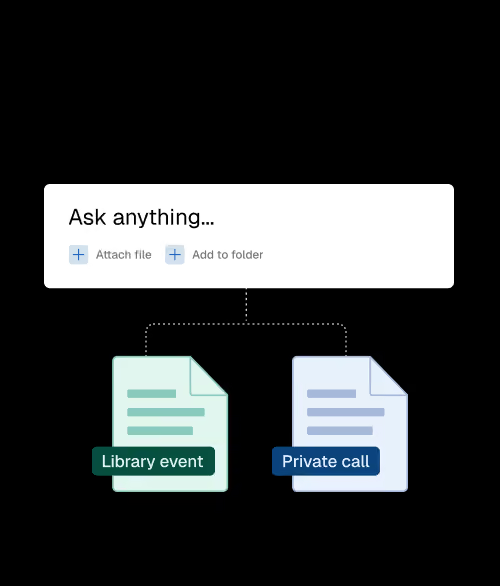
- Choose the right method. Combine GLG Surveys, Expert Calls, and AI-Moderated Calls depending on whether you need scale, depth, or both.
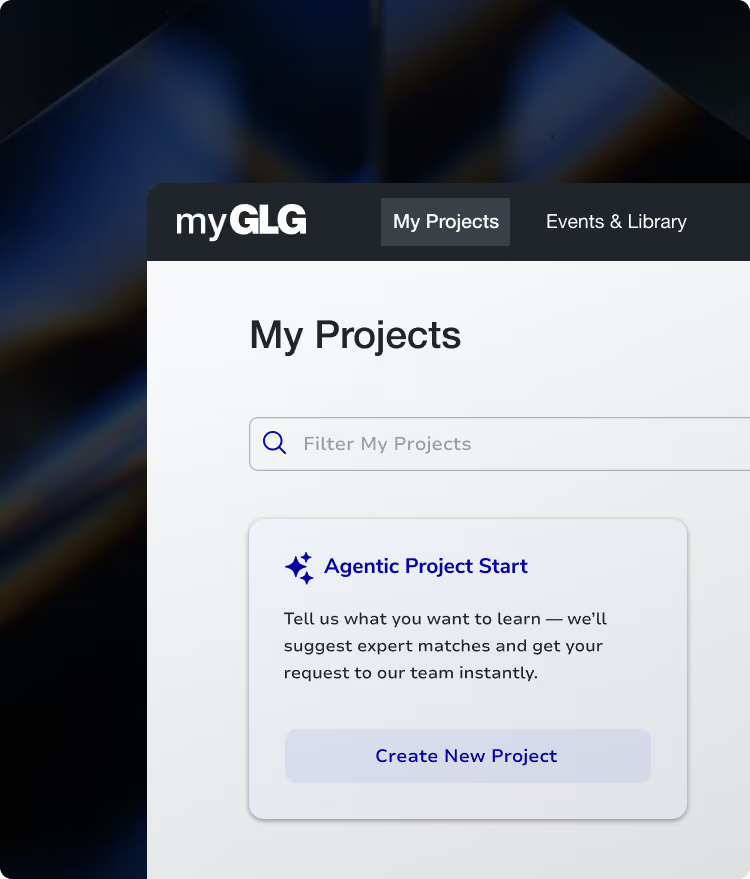
- Synthesize the evidence. myGLG AI tools surface themes across expert research while tracing findings back to source material.
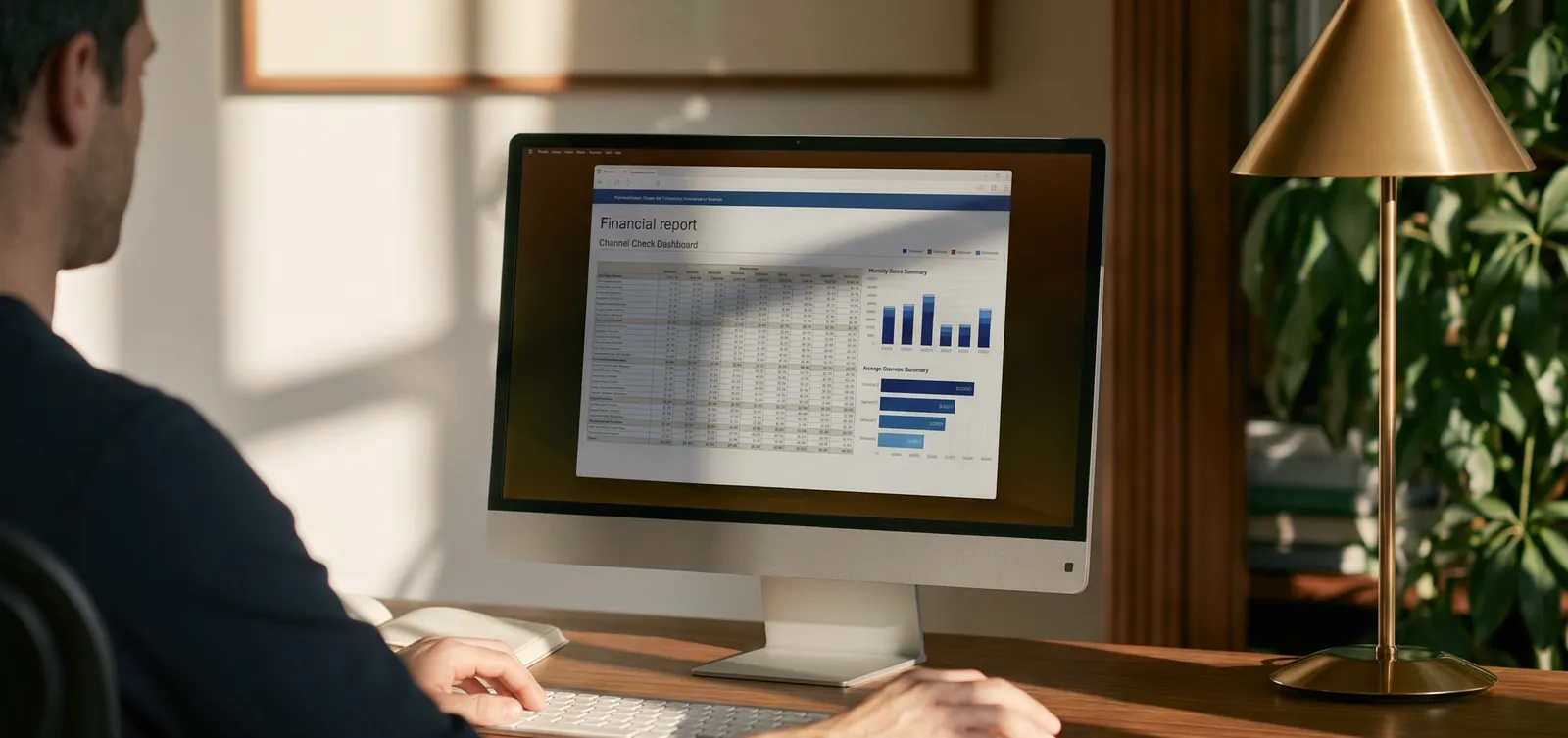
- Deliver for the investment workflow. Raw and aggregated data, charts, and summaries support analysis, internal reporting, and model inputs.
The technology adds speed and scale to the research; your analysts decide what the evidence means for the thesis.
When investment teams underwrite a forward view using data on a past period, the accuracy matters little if there is any doubt about whether the conditions that produced them still hold.
Speak with GLG's Financial Services team about a channel check on a position you are working on.
Contact Us
Enter your contact information below and a member of our team will reach out to you shortly.